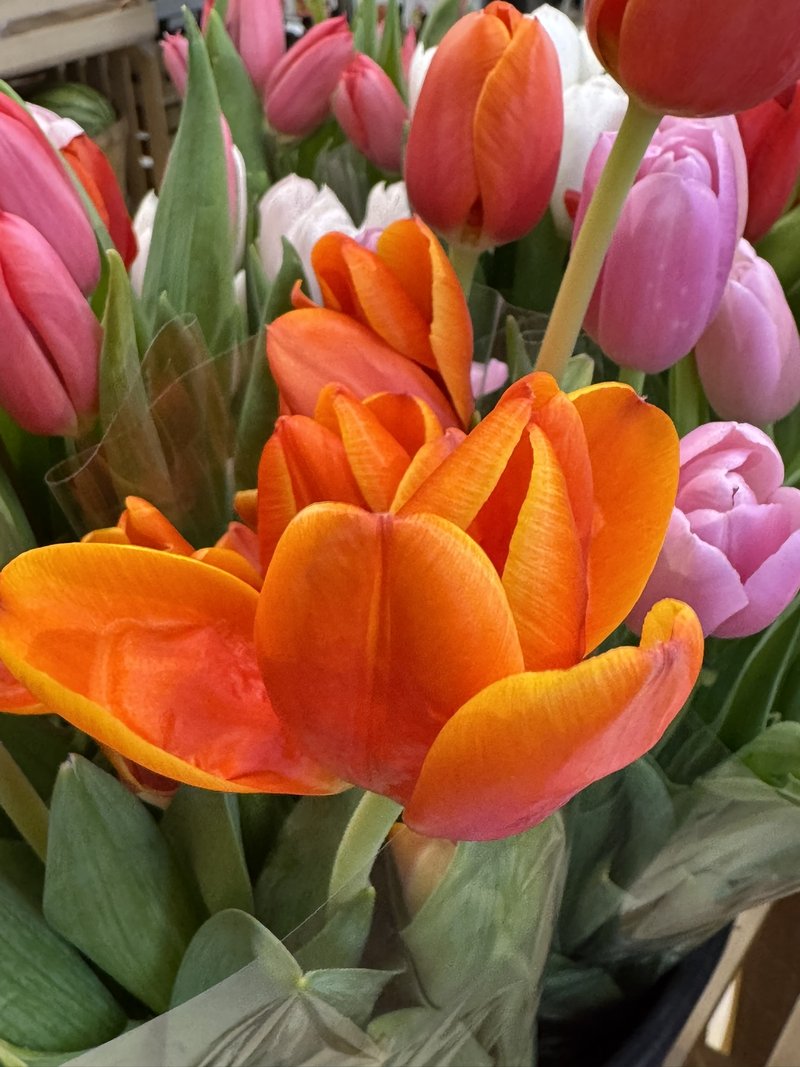
Getting in close — the technique that transforms spring flower photography. Canon EOS R.
There's a particular kind of photography walk that happens in spring — unhurried, exploratory, open to whatever the light decides to do. You're not rushing to a specific location or chasing a specific shot. You're just out there, moving slowly, paying attention. These are some of my favorite sessions of the year.
But they only work well when you've packed right. Too much gear and you're uncomfortable, hunched under weight, reluctant to go further. Too little and you miss shots because you didn't bring what you needed. The goal is a bag you forget you're carrying — light enough to stay out longer, complete enough to handle whatever you find.
Layers first — always
Spring weather is genuinely unpredictable. A morning that starts at 38°F can reach 62°F by afternoon. You can leave the house in bright sunshine and find yourself in a cold drizzle an hour later. Layering is the only sensible answer — and it applies to photography walks more than almost anything else because you're moving slowly, stopping often, and standing still for extended periods.
Base layer — moisture wicking
A lightweight moisture wicking base layer keeps you comfortable whether you're moving or standing still waiting for the light to shift. Cotton holds moisture — avoid it for photography walks where you'll be doing both.
Mid layer — warmth without bulk
A lightweight fleece or down vest gives you warmth without restricting movement. When you're crouching for a low angle shot or reaching overhead you don't want a heavy jacket limiting you. A vest keeps your core warm while leaving your arms completely free.
Outer layer — wind and light rain
Spring showers arrive without much warning. A lightweight packable rain jacket stuffed in the bottom of your bag weighs almost nothing and has saved countless sessions. Look for one with a hood — not just for rain but for shooting into bright overcast skies where a hood reduces glare on your face.
Dress for 15 degrees colder than the forecast. You'll warm up as you walk but you'll cool down fast the moment you stop moving and stand still waiting for a shot. The light always makes you wait.
The camera bag — lighter than you think
A spring photography walk is not the time for a full camera backpack loaded with every lens you own. You want a small shoulder bag or sling bag that sits against your body, opens quickly, and doesn't shift around when you move.
What actually goes in the bag
One Camera Body
Just one. Resist the urge to bring a backup unless you're shooting professionally. The weight difference between one body and two is significant on a long walk.
One or Two Lenses Maximum
For a spring walk — a versatile zoom covers most situations. If you shoot prime lenses bring two at most — a wide for landscapes and environmental shots, a 50mm or short telephoto for details and wildlife. Switching lenses on a walk is awkward and exposes your sensor to pollen and moisture. A good zoom eliminates the problem entirely.
Circular Polarizer Filter
Spring means water, blue skies, and green leaves — everything a polarizer was made for. Screw it on at the start and leave it on. The difference in your images will be immediately visible.
Find circular polarizer filters on Amazon →Two Fully Charged Batteries
One in the camera, one in the bag. Spring walks tend to run longer than planned — the light keeps being good and you keep going. Never end a session because of a dead battery.
Find spare camera batteries on Amazon →Two Memory Cards
One in the camera, one spare in the bag. Spring walks generate a lot of frames — bursts of birds, bracket exposures for landscapes, sequences of moving water. A fast card keeps up with your shooting. A spare means you never run out.
Find SanDisk Extreme SD cards on Amazon →Lens Cleaning Kit
Spring pollen, morning dew, and the occasional light rain all end up on your lens. A blower brush and microfiber cloth take up almost no space and get used on every single spring walk.
Find lens cleaning kits on Amazon →The practical extras that actually matter
Beyond camera gear there are a handful of practical items that make the difference between a comfortable walk and a miserable one.
Comfortable walking shoes
This sounds obvious but it's the thing most photographers overlook. Spring walks take you off pavement — wet grass, muddy paths, uneven ground. Waterproof trail shoes or hiking boots keep you moving confidently and protect you from the wet ground that spring walks inevitably involve. You can't shoot well when your feet are cold and wet.
A small dry bag or zip lock bags
For your phone, extra batteries and memory cards. If a spring shower arrives unexpectedly you want your electronics protected. A simple zip lock bag costs nothing and takes up no space.
Water and a snack
Spring walks stretch. What starts as a one hour session becomes two or three when the light cooperates. Stay hydrated and bring something to eat. A hungry photographer is an impatient one — and patience is everything when you're waiting for the light.
Your phone — fully charged
For weather updates, navigation, and backup shots when you spot something and your camera is packed away. The iPhone 15 Pro camera is genuinely excellent for spontaneous moments. Never underestimate it.
A small lightweight tripod
Optional but worth it for spring specifically — long exposure water shots, misty morning landscapes, blue hour scenes. A compact travel tripod fits in or straps to most bags without adding significant weight.
Find lightweight travel tripods on Amazon →What to leave behind
This matters as much as what you bring.
Leave the full camera backpack. A sling bag or small shoulder bag keeps you mobile and comfortable. A heavy backpack makes you want to stop and rest rather than keep exploring.
Leave the laptop. You're not editing in the field. Every ounce matters on a long walk.
Leave the lens you haven't used in three months. If you haven't reached for it recently you won't reach for it on the walk either. Bring what you know you'll use.
Leave the perfectionism. Spring walks are exploratory. Not every frame will be a keeper and that's entirely the point. Shoot freely, move often, follow the light wherever it goes.
The bottom line
The best spring photography walks happen when you're comfortable enough to stay out longer than you planned. Pack light, layer well, bring exactly what you need and nothing more. The light will do the rest.
Spring mornings especially reward the prepared photographer — the one who shows up early, dressed for the cold, with a clean lens and a full battery. Everything else is just showing up and paying attention.
Use our free Kit Builder to find the right camera and lens combination for your budget — then get out there while the spring light lasts.